Embarking on academic writing often feels like navigating a labyrinthine bureaucracy, fraught with arcane rules and esoteric expectations. The APA outline format, a mainstay in the social sciences and beyond, is no exception. This tutorial demystifies the process, transforming it from a Herculean labor into a manageable, step-by-step endeavor. Prepare to recalibrate your understanding of outlining, and discover a method that promotes clarity, concision, and, dare we say, even a touch of elegance.
The ubiquity of the Purdue OWL (Online Writing Lab) as a pedagogical resource is undeniable. However, its comprehensive nature can sometimes feel overwhelming. We distill the essence of APA outlining, focusing on practical application rather than theoretical abstraction. This is your Rosetta Stone to deciphering the complexities of academic structure.
I. Understanding the Foundation: The Purpose of an APA Outline
An APA outline serves as the skeletal framework for your research paper or essay. It is not merely a preparatory exercise; it’s the blueprint that dictates the flow of your argument, ensuring logical coherence and preventing tangential digressions. Think of it as the architect’s rendering before the construction crew arrives.
A. Benefits of Outlining:
- Clarity of Thought: Forces you to articulate your ideas precisely before committing them to prose.
- Structural Integrity: Guarantees a logical progression of arguments, preventing disjointedness.
- Efficiency in Writing: Reduces writer’s block by providing a pre-determined roadmap.
- Time Management: Streamlines the writing process, minimizing wasted effort on tangential points.
B. Essential Components of an APA Outline:
- Title: A concise and informative summary of your paper’s focus.
- Introduction: A brief overview of the topic, research question, and thesis statement.
- Body Paragraphs: Sequentially organized sections, each addressing a specific aspect of the argument.
- Conclusion: A summation of findings, reiteration of the thesis, and potential implications.
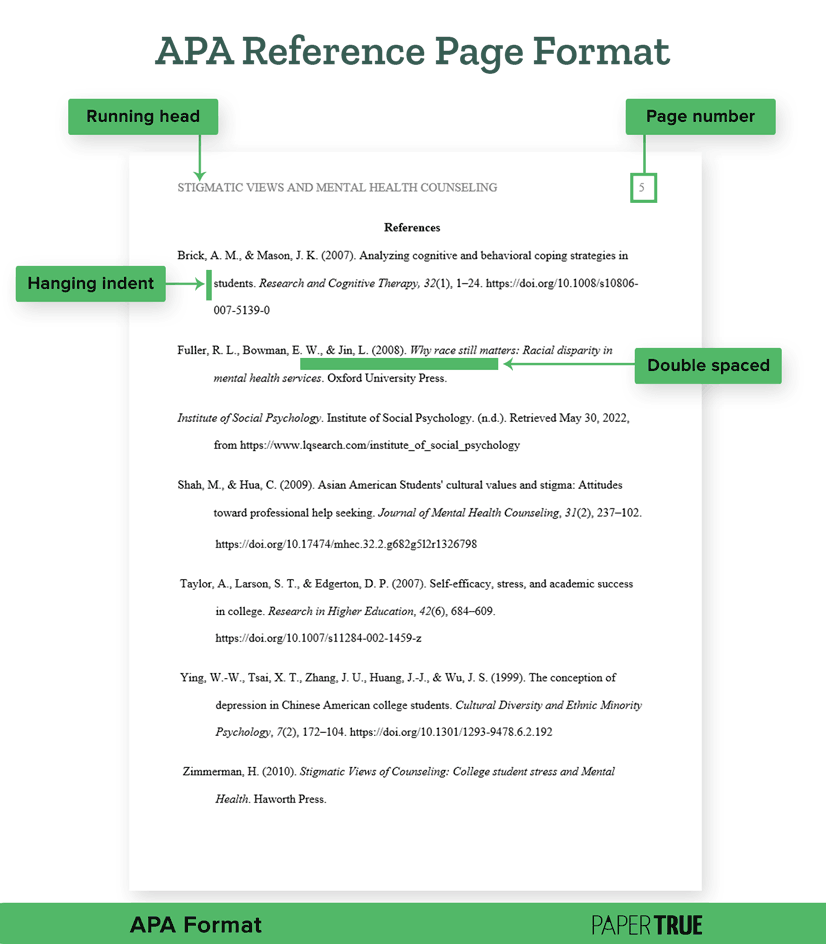
- References: A comprehensive list of all sources cited in the paper, formatted according to APA guidelines.
II. The Hierarchy of Headings: Structuring Your Outline
APA utilizes a hierarchical system of headings to denote different levels of subordination within your outline. This system is not arbitrary; it’s designed to visually represent the logical relationship between ideas. Mastering this hierarchy is paramount to creating a clear and effective outline.
A. Level 1 Headings: Centered, Boldface, Title Case Heading (e.g., Introduction).
Level 1 headings represent the major sections of your paper. These are the broad categories under which all other information will fall. Use them sparingly to avoid fragmenting your argument.
B. Level 2 Headings: Left-aligned, Boldface, Title Case Heading (e.g., Literature Review).
Level 2 headings are subsections within the Level 1 sections. They provide a more granular level of detail, breaking down the broader topic into manageable components. They build upon the foundation laid by Level 1 headings.
C. Level 3 Headings: Left-aligned, Boldface, Italicized, Title Case Heading (e.g., Methodological Limitations).
Level 3 headings delve even deeper, providing further subdivision within Level 2 sections. These are often used to highlight specific aspects of a particular argument or point.
D. Level 4 Headings: Left-aligned, Boldface, Italicized, Title Case Heading with a period. Indent first line of text (e.g., Data Collection Procedures.).
These are used for sub-sections of Level 3 headings. Think of it as adding another layer of organizational depth to the skeleton of your research.
E. Level 5 Headings: Indented, Boldface, Italicized, Title Case Heading with a period. Indent first line of text. (e.g., Data Interpretation.).
Often used for extremely detailed and granular information.
III. Roman Numerals and Capital Letters: Identifying Key Points
Within each heading level, use Roman numerals (I, II, III) for major points and capital letters (A, B, C) for sub-points. This further clarifies the hierarchical structure and ensures that the reader can easily follow the logical flow of your argument.
A. Roman Numerals (I, II, III): Represent the primary arguments or points within each section.
B. Capital Letters (A, B, C): Subordinate points that support or elaborate on the corresponding Roman numeral point.
C. Arabic Numerals (1, 2, 3): Secondary sub points that elaborate on A, B, or C
D. Lowercase Letters (a, b, c): Represent tertiary arguments.
IV. Crafting the Perfect Thesis Statement: The Keystone of Your Outline
The thesis statement is the linchpin of your entire paper. It encapsulates your main argument in a single, declarative sentence. A well-crafted thesis statement provides focus and direction for your writing, ensuring that all subsequent points contribute to the overall argument.
A. Characteristics of a Strong Thesis Statement:
- Specific: Avoid vague or ambiguous language.
- Arguable: Presents a claim that can be debated or challenged.
- Focused: Concentrates on a single, central idea.
- Concise: Expresses the main argument succinctly.
B. Placement of the Thesis Statement: Typically located at the end of the introductory paragraph.
V. Example Outline Structure
To put all the concepts together, here’s an example of how to structure your outline
Title: The Effect of Social Media on Adolescent Mental Health
I. Introduction
A. Background Information
B. Thesis Statement: Social media use correlates to reduced self-esteem in adolescents due to comparison
II. Effects of Social Media on Mental Health
A. Negative Correlations
1. Anxiety
2. Depression
3. Low Self Esteem
B. Moderating Factors
III. Interventions and Prevention
A. Parental controls
B. Education Programs
IV. Conclusion
V. References
VI. Transitioning from Outline to Paper: The Final Leap
Once your outline is complete, the writing process becomes significantly more streamlined. Each section of the outline corresponds to a paragraph or series of paragraphs in your paper. Expand upon the points outlined, providing supporting evidence and detailed analysis. Do not deviate from the structure established in your outline; it is your guide.
The APA outline format, while seemingly complex, is ultimately a tool for enhancing clarity and coherence in academic writing. By mastering the principles outlined in this tutorial, you can transform the writing process from a daunting task into a structured and efficient endeavor. Embrace the format, and witness the evolution of your academic prose.